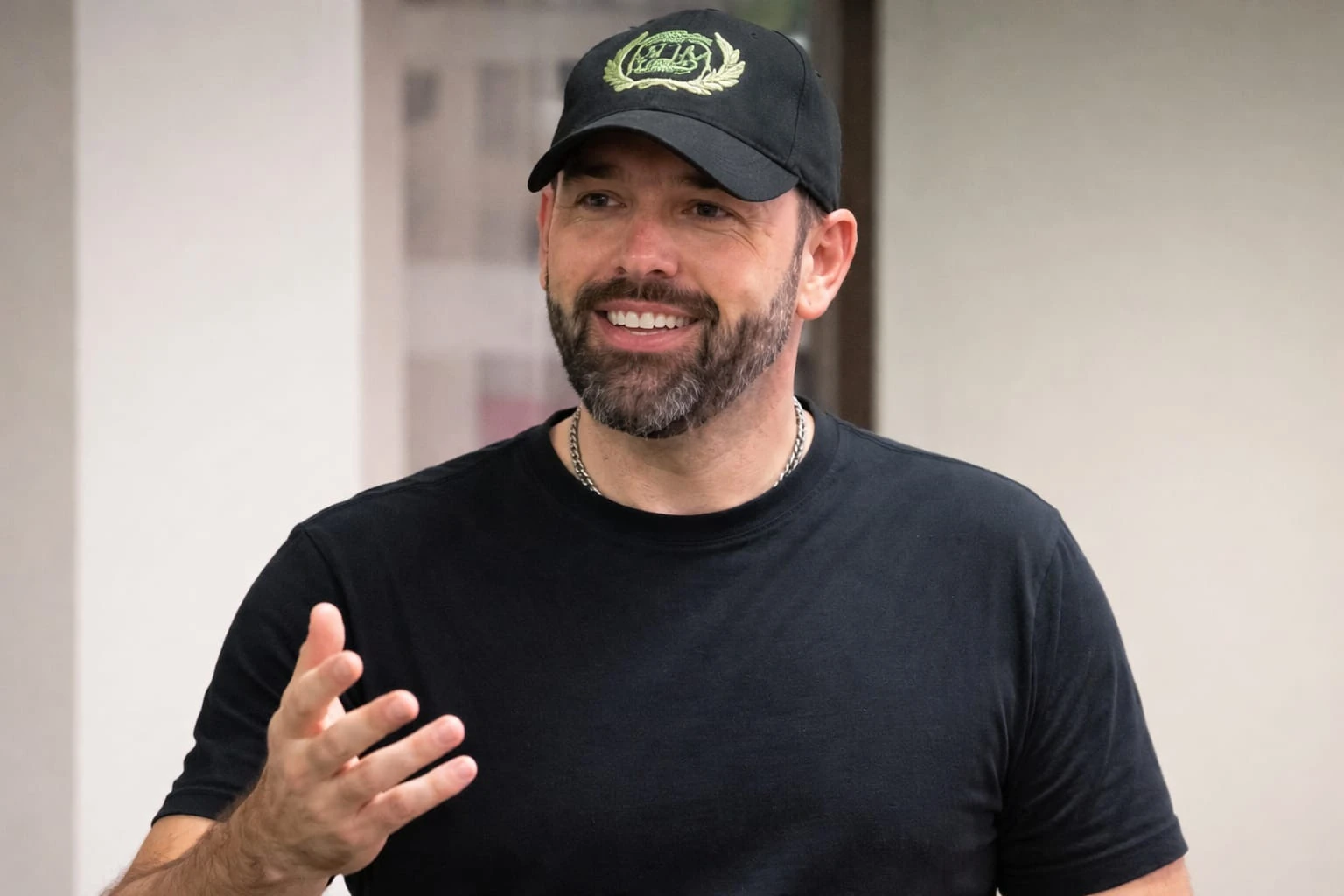
The vast financial empire of the notorious Kinahan cartel, estimated at over 1 billion euros, is now under severe legal pressure. This development follows the high-profile extradition of its alleged leader, Daniel Kinahan, from the United Arab Emirates. The case highlights a major international effort to dismantle organized crime through financial means.
Cuprins
Key Points of This Article
- Daniel Kinahan has been extradited from the UAE to face justice.
- The cartel's assets, valued at over 1 billion euros, are being targeted by authorities.
- International cooperation is crucial for seizing criminal wealth.
- Financial investigations are a key tool in fighting organized crime.
What Does This Case Mean for Organized Crime?
The pressure on the Kinahan cartel's fortune is a landmark moment in the fight against transnational crime. For decades, criminal organizations have used complex networks and safe havens to hide and grow their wealth. This case demonstrates a powerful shift: law enforcement is now aggressively targeting the money itself. By freezing and seizing assets, authorities aim to cripple the operational power of these groups. Without funds, criminal networks cannot pay members, bribe officials, or finance their illegal activities. This financial approach is often more effective than just arresting individuals, as it strikes at the very heart of the criminal enterprise.
How Can Authorities Seize Such Vast Assets?
Seizing assets worth over a billion euros is a massive legal and logistical challenge. It requires a coordinated international effort. Authorities use financial investigation tools to trace the money flow through shell companies, real estate, and luxury goods. A 'shell company' is a business entity that exists only on paper, often used to hide ownership. Once illicit funds are identified, prosecutors can request freezing orders from courts. This prevents the assets from being moved or sold. Finally, through criminal or civil court proceedings, the state can permanently confiscate these assets. This process relies heavily on cooperation between police, financial intelligence units, and prosecutors across multiple countries.
Following the money remains the most effective way to disrupt and dismantle criminal organizations. Seizing their assets removes the incentive and the means to commit crime.
Conclusions and Recommendations
The Kinahan case underscores a clear trend: the global legal system is increasingly focused on the financial destruction of criminal empires. This strategy protects society by removing the economic foundation of violence and corruption. For individuals or businesses, it's a reminder of the critical importance of financial compliance and due diligence. Unknowingly dealing with proceeds of crime can lead to severe legal consequences, including asset seizure. If you have any concerns about the legitimacy of financial dealings or face legal inquiries related to asset management, it is essential to seek professional legal counsel immediately. Proactive legal advice is your best defense in a complex international landscape. Contact our law office for expert guidance on financial compliance and asset protection.