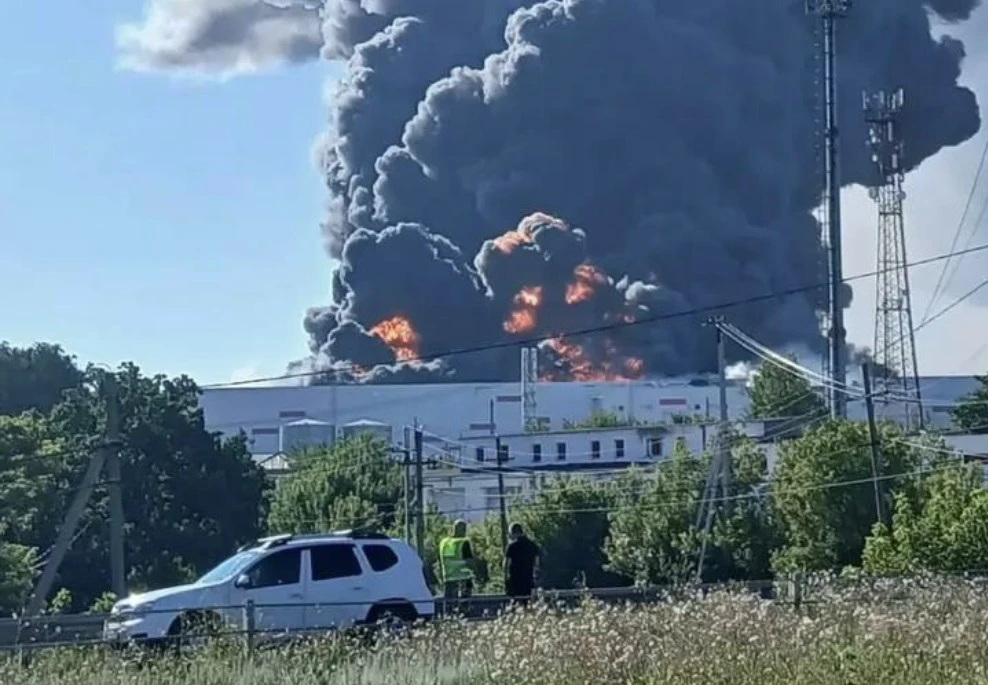
In a significant escalation of the conflict, Russia reported intercepting over 600 Ukrainian drones in a single night. This massive attack targeted several regions, including Crimea. Such events raise complex questions about modern warfare and international law.
Cuprins
Key Points of This Article
- Russia claims to have destroyed 635 Ukrainian drones in one night.
- The attack targeted several regions within Russia and Crimea.
- Such large-scale drone warfare marks a new phase in the conflict.
- International law provides rules for targeting during armed conflicts.
Understanding the Scale of the Attack
The numbers reported by the Russian Ministry of Defense are staggering: 635 drones intercepted in a single night. To put this in perspective, this is not a small, targeted raid but a massive, coordinated assault involving hundreds of individual aircraft. Drones, or unmanned aerial vehicles (UAVs), are relatively inexpensive and can be deployed in large groups, called 'swarms.' This scale suggests a major logistical and operational effort by Ukraine, aimed at overwhelming Russian air defenses. Attacks of this magnitude can target infrastructure, military bases, and supply lines, causing significant disruption. For the general public, it highlights how warfare has evolved, moving from large, singular battles to persistent, distributed attacks using advanced technology.
The Legal Framework of Warfare
Even during war, there are rules. International humanitarian law, often called the 'laws of war,' governs how conflicts are fought. Its core principles are distinction, proportionality, and precaution. Distinction means attacks must only target military objectives, not civilians or civilian property. Proportionality means that the harm to civilians from an attack must not be excessive compared to the concrete military advantage gained. Precaution requires all sides to take steps to avoid or minimize civilian harm. When analyzing reports of strikes, like this drone attack, legal experts look at whether these principles were followed. Were the targets legitimate military sites? What was the potential for civilian casualties? These are not just moral questions but legal obligations for all parties in a conflict.
The principles of distinction and proportionality are cornerstones of international humanitarian law. In the fog of war, verifying compliance with these rules is challenging but essential for accountability.
Conclusions and Recommendations
The reported drone attack represents a significant tactical development with profound legal implications. As technology makes large-scale, remote attacks more feasible, the existing frameworks of international law are constantly tested. For nations and individuals caught in conflict, understanding these rules is crucial for seeking accountability and protection. The complexity of modern warfare, with drone swarms and cyber operations, requires specialized legal knowledge. If you or your organization are affected by cross-border conflicts, or if you are seeking to understand your rights and obligations under international law, professional legal counsel is indispensable. We recommend contacting a qualified law firm with expertise in international law to navigate these complex issues. For a confidential consultation regarding matters of international law and conflict, please contact our office directly.